Researching destinations and crafting your page…
4.5Overall Rating
3 monthsPeak Season
$50/dayBudget From
5Curated Articles
Top Highlights for Snoqualmie Pass Drive in Washington
Snoqualmie Pass Drive in Washington
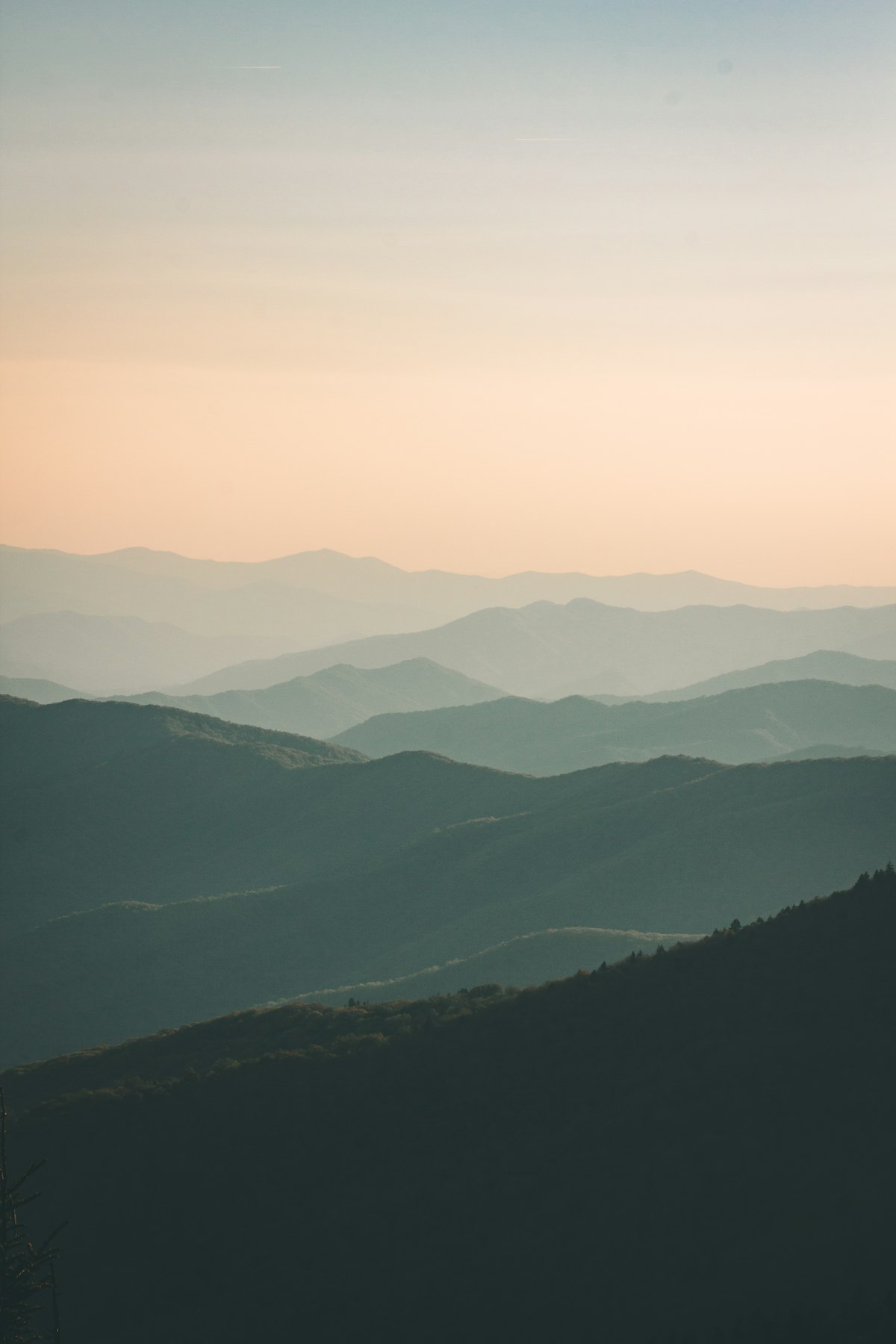
Washington state's Snoqualmie Pass stands out for its accessible Cascade crossing at just 3,015 feet, the lowest year-round east-west route alongside Stevens and White Passes. Interstate 90 slices through this vital artery, blending raw mountain drama with heavy freight and commuter traffic for an authentic drive that feels both routine and exhilarating. Named for the Snoqualmie people, it preserves a historic corridor protected by the Mountains to Sound Greenway Trust since 1991[1].
Core experiences center on the 45-minute drive from Seattle, with pullouts for vistas, winter sports at Summit Snow Park, and hikes like Franklin Falls or Goldmyer Hot Springs. Summer brings wildflower meadows and road biking, while winter demands caution amid avalanches and 600+ annual accidents in heavy snow years. Side trips to nearby Alpental or Hyak ski areas extend the adventure[1][2].
Winter December-February delivers deepest snow but highest closure risks; shoulders like September-October offer fall colors with milder conditions. Expect packed ice, chain laws, and sudden storms—always verify WSDOT reports. Prepare with tires, chains, and supplies for the 42-mile danger zone from summit to Cle Elum[1][2].
The Snoqualmie people's legacy infuses the pass with cultural depth, from tribal lands west of the summit to modern communities in the census-designated place at elevation 3,000 feet. Locals treat I-90 as lifeline and hazard, fostering a resilient driver culture around plowing since 1931 and greenway preservation efforts. Engage at pass lodges or ski areas for stories from patrollers facing rockslides and blizzards[1].
How to Do It Right
Mastering Snoqualmie Pass Drives
Plan drives midweek to dodge weekend traffic peaks of 29,000 vehicles daily on I-90. Check Washington State DOT for real-time conditions, as closures hit frequently in winter due to avalanches and ice. Book ski resorts or lodges ahead for December-February peaks; shoulder months like October deliver color without chains[1][2].
Equip your vehicle with all-season or winter tires; chains are mandatory in storms. Pack layers for rapid temperature drops from 50°F valleys to freezing summits. Download offline maps, as cell service fades in heavy snow or rockslide zones[1][2].