Exploring the world for you
We're searching live sources and AI-curating the best destinations. This takes 10–20 seconds on first visit.
🌍Scanning destinations across 6 continents…
Culinary tourism, or migrationology, tracks the world's street foods, hawker stalls, and local eateries that define a place's soul. Travelers chase it for the thrill of slurping noodles in Bangkok alleys or devouring ceviche in Lima markets, connecting deeply with cultures through flavor. Mark Wiens of Migrationology pioneered this pursuit, turning food hunts into global adventures that blend discovery, indulgence, and storytelling[3][4].
Ranked by flavor diversity, market density, local authenticity, and cost-value from Migrationology guides and global food traveler consensus.
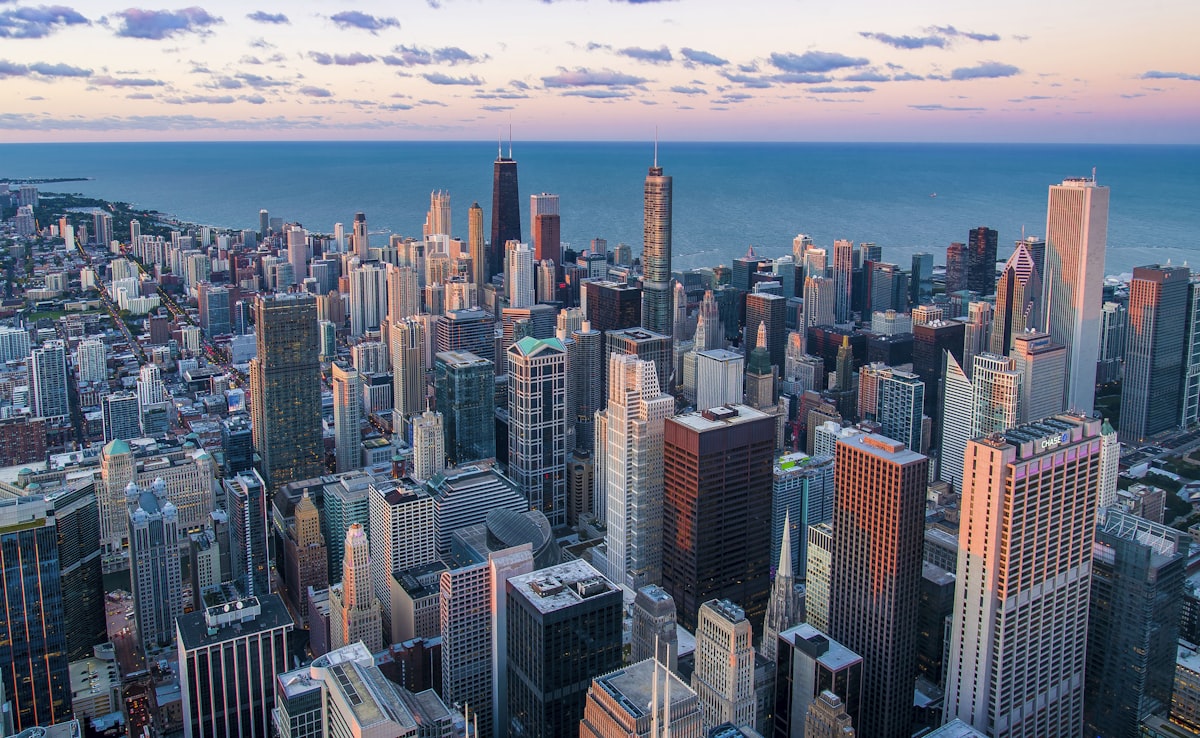
Dense hawker centers like Chinatown overflow with pad thai, som tam, and mango sticky rice from dawn to midnight. Unrivaled street food density and authenticity draw food nomads ye…
Hawker centers like Maxwell and Lau Pa Sat serve 25+ must-eat dishes from chicken rice to laksa in hygienic, UNESCO-protected hubs. Perfect blend of Malay, Chinese, Indian flavors.
Ceviche capitals like Cevicheria Central and street stalls redefine fresh seafood amid Andean fusion. Night markets pulse with anticuchos and picarones.
Spice bazaars and street simit, kebabs, and baklava fuse Ottoman traditions. Bosphorus ferries add mobile feasting.
Pastéis de nata and bifana stalls line tram routes, with sardine festivals in summer. Ocean-fresh markets define value.
Rainbow Street mansaf and falafel carts deliver Levantine intensity. Family-run stalls ensure authenticity.
Satay and gado-gado flood Glodok markets, blending Javanese spice. Budget king for variety.
Deira souks mix shawarma, camel burgers, and Iranian sangak. Modern food halls elevate streets.
Vada pav and pav bhaji stalls swarm Juhu Beach. Chaat intensity unmatched.
Gwangjang Market's tteokbokki and bindae-tteok fuel 25+ attraction hops. KBBQ streets sizzle.
Tacquerias and elote carts define tortas al pastor. Markets like La Merced overwhelm.
Pho and banh mi alleys buzz from Old Quarter. Bun cha stalls legendary.
Choripan and empanada streets flank parrillas. Milanesa sandwiches steal shows.
Pizza margherita and sfogliatella from street friggitorie trace origins. Vesuvius views enhance.
Jemaa el-Fnaa tagines and mechoui draw crowds. Spice market immersion total.
Beignets and po'boys line Bourbon Street. Gumbo pots simmer eternally.
Patatas bravas and jamón ibérico from La Boqueria. Tapas bars endless.
Souvlaki and gyros skewers fuel Acropolis climbs. Street loukoumades sweeten.
Supplì and gelato carts shadow Colosseum. Carbonara alleys authentic.
Kachori and lassi boats on Ganges. Banarasi chaat chaotic bliss.
Takoyaki and okonomiyaki from Dotonbori stalls. Kushikatsu deep-fried heaven.
Banh mi and pho ga flood Ben Thanh Market. Coffee street culture thrives.
Beef noodles and stinky tofu dominate night markets like Raohe. Bubble tea origin.
Target shoulder seasons to dodge crowds at peak hawker hours. Book multi-city itineraries linking food hubs like Bangkok to Chiang Mai. Align visits with night markets opening at dusk for freshest bites.
Learn basic phrases for vendors to unlock off-menu gems. Pace eating across meals to handle spice levels. Join local food tours for first-day orientation but venture solo after.
Pack a translation app for menus and a reusable water bottle. Hone chopstick skills and spice tolerance pre-trip. Scout independent stalls via apps like Google Maps reviews over tourist traps.
Details 25 iconic hawker dishes like Hainanese chicken rice and chili crab with exact stall locations. Emphasizes hygiene and value in centers like Maxwell. Guides first-timers to eat like locals[7].
Covers city guides for Amman, Bangkok, Dubai, Hong Kong, Istanbul, Jakarta, Lima, Lisbon with street food tips, stays, and eats. Focuses on personal experiences for authentic hunts[4].
Chronicles 39-day journey hitting Mumbai, Istanbul, Rome, Barcelona, Lisbon, New York with food highlights per stop. Showcases multi-destination food migration strategy[5].
Lists 25 Seoul spots blending food markets like Gwangjang with sights. Ties street eats to cultural immersion for food travelers[6].
Indexes personal food travel guides for visited spots with eating tips. Prioritizes street and local experiences over tourist fare[3].
Select a question below or type your own — AI will generate a detailed response.