Exploring the world for you
We're searching live sources and AI-curating the best destinations. This takes 10–20 seconds on first visit.
🌍Scanning destinations across 6 continents…
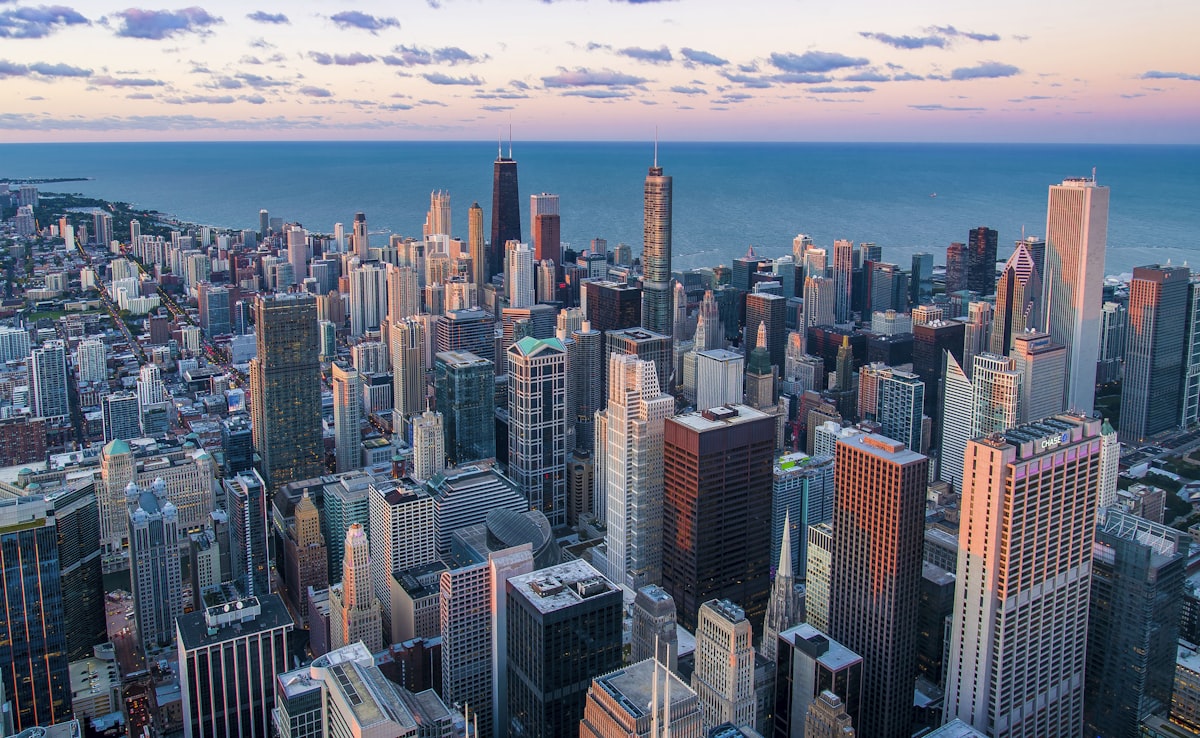
Brickell is Miami’s gleaming financial heart, where a skyline of luxury high-rises meets a cosmopolitan mix of dining, nightlife, and riverfront culture. Nestled along the west side of Biscayne Bay just south of Downtown, it blends global business energy with a dense, walkable urban lifestyle. The neighborhood shines brightest from late fall through early spring, when ocean breezes soften the heat and outdoor terraces, rooftop bars, and waterfront parks are fully alive.
Brickell’s rooftop bars wrap patrons in panoramic city and bay views, linking the district’s upscale vibe with Miami’s obsession w…
Brickell is one of the densest high‑rise residential neighborhoods in the U.S., where living in a glass tower over the bay or rive…
The mixed‑use, open‑air Brickell City Centre fuses luxury retail with fine dining, healthy‑lifestyle concepts, and a splash‑founta…
Brickell’s identity is written in steel and glass along Brickell Avenue and the waterfront, where the city’s most concentrated collection of high‑rise office towers and luxury condos defines Miami’s version of a Manhattan‑style downtown. Strolling this compact financial spine offers a cinematic, pedestrians‑first feel for Miami’s global economic ambition.
Brickell’s rooftop bars wrap patrons in panoramic city and bay views, linking the district’s upscale vibe with Miami’s obsession with sunset cocktails and late‑night lounging. Venues like SLS Brickell’s rooftop or ZUMO’s Hillside Lounge have helped brand Brickell as Miami’s polished, high‑rise alternative to South Beach clubbing.
Brickell is one of the densest high‑rise residential neighborhoods in the U.S., where living in a glass tower over the bay or river is not a novelty but the norm. Visitors drawn to furnished short‑term rentals or “urban resort” hotels absorb the feel of a 24/7 vertical neighborhood that is both residential and commercial.
The mixed‑use, open‑air Brickell City Centre fuses luxury retail with fine dining, healthy‑lifestyle concepts, and a splash‑fountain plaza, creating Miami’s most polished urban lifestyle hub. Its LEED‑certified, climate‑controlled design and curated restaurants make it a destination in itself, not just a mall.
Dozens of banks, investment firms, and law offices concentrate along Brickell Avenue, fueling a sophisticated weekday lunch scene in sleek café‑lounges and power‑lunch restaurants. This high‑powered, globalized midday rhythm is unique to Brickell within Miami.
The first phase of the Underline—a 10‑mile linear park beneath the Metrorail—opens along the Miami River with shaded trails, a dog run, bike lanes, and a free yoga series, turning the city’s transit corridor into a green urban spine. In Brickell, it offers a calm, active counterpoint to the neighborhood’s vertical density.
Brickell’s western edge hugs the Miami River and eastern edge faces Biscayne Bay, creating a continuous, shaded promenade of skyline‑facing paths perfect for sunset walks, early‑morning runs, and people‑watching. This dual‑waterfront loop gives the district a surprisingly intimate, coastal feel despite its skyscrapers.
A few hundred feet off the Brickell shore, the private island of Brickell Key is ringed by a tree‑lined walking path, luxury residences, and the Mandarin Oriental hotel, offering a quiet, resort‑like escape minutes from the financial core. Circling the island is a uniquely Miami blend of seclusion and skyline framing.
Beneath the W Miami Hotel, the Miami Circle is a National Historic Landmark dating back to the Tequesta people, among the most significant Native archaeological sites in South Florida. Its riverside setting along the Brickell waterfront makes it a rare, accessible link to pre‑colonial Miami within a hyper‑modern neighborhood.
Smaller designer shops, concept boutiques, and brand pop‑ups cluster around Brickell City Centre and Mary Brickell Village, catering to a luxury‑minded, style‑conscious crowd. The mix of local designers and international labels creates a more curated, less touristy shopping experience than the strip malls of the suburbs.
The Brickell Avenue Bridge structure, with its elevated views over the Miami River and bay, functions as both a transit artery and an informal photo spot that frames the skyline between Downtown and Brickell. Nearby viewpoints and small parks amplify this bridge‑centric perspective of Miami’s core.
Brickell Avenue and its side streets anchor some of Miami’s most celebrated restaurants, from Japanese‑style seafood palaces like Komodo and Sexy Fish to high‑end steakhouses and Latin fusion. The concentration of internationally acclaimed dining alongside corporate offices gives Brickell a genuine “destination dining” core.
Brickell’s bar scene leans toward upscale lounges, cocktail dens, and club‑style bars populated by finance professionals, expats, and urban residents, creating a more polished, cosmopolitan nightlife than South Beach. The compact grid of streets means bar‑hopping can be done almost entirely on foot.
Excursions from nearby marinas or Brickell‑side docks spotlight the gleaming residential towers of Brickell and Downtown from the water, turning the skyline into a moving postcard. This vantage captures the modern Miami that defines the Brickell era better than any ground‑level view.
Small, overlooked waterfront parks like those along the river and bay edges offer shaded lawns and seating where locals picnic and unwind without the crowds of larger downtown parks. These pockets of green make Brickell feel more lived‑in and balanced, despite its vertical density.
In the middle of the city, Simpson Park preserves an old‑growth tropical hardwood hammock rare in modern Miami, offering a quick, shaded escape into native forest that hints at Brickell’s natural past before skyscrapers. Its limited hours and hidden entrance add to its sense of discovery.
The Metrorail’s elevated track slices through the Brickell skyline, creating one of the most dramatic short urban rail rides in the U.S., with glass‑tower vistas unfolding as the train hugs the river and bay. A quick ride at sunset is a free, transport‑as‑tourism experience that epitomizes Brickell’s verticality.
The first completed stretch of the Underline’s “Brickell Backyard” hosts free weekend events, fitness classes, and family‑friendly programming, anchoring a new kind of grassroots urban life in the skyscraper district. This blend of infrastructure and community programming sets Brickell apart from more car‑oriented suburbs.
The mixed‑use Mary Brickell Village plaza, with its central hammock‑fringed courtyard and surrounding restaurants and bars, creates a mini‑neighborhood vibe that feels more like a European town square than a typical American shopping center. Its open layout encourages lingering conversations and after‑work drinks.
Brickell’s proximity to Downtown Miami’s museums, theaters, and waterfront parks allows residents to mix financial‑district living with easy access to art galleries, concer
No verified articles currently available.
Select a question below or type your own — get a detailed response instantly.