Top Highlights for Virunga Volcano Views in Mount Nyiragongo
Virunga Volcano Views in Mount Nyiragongo
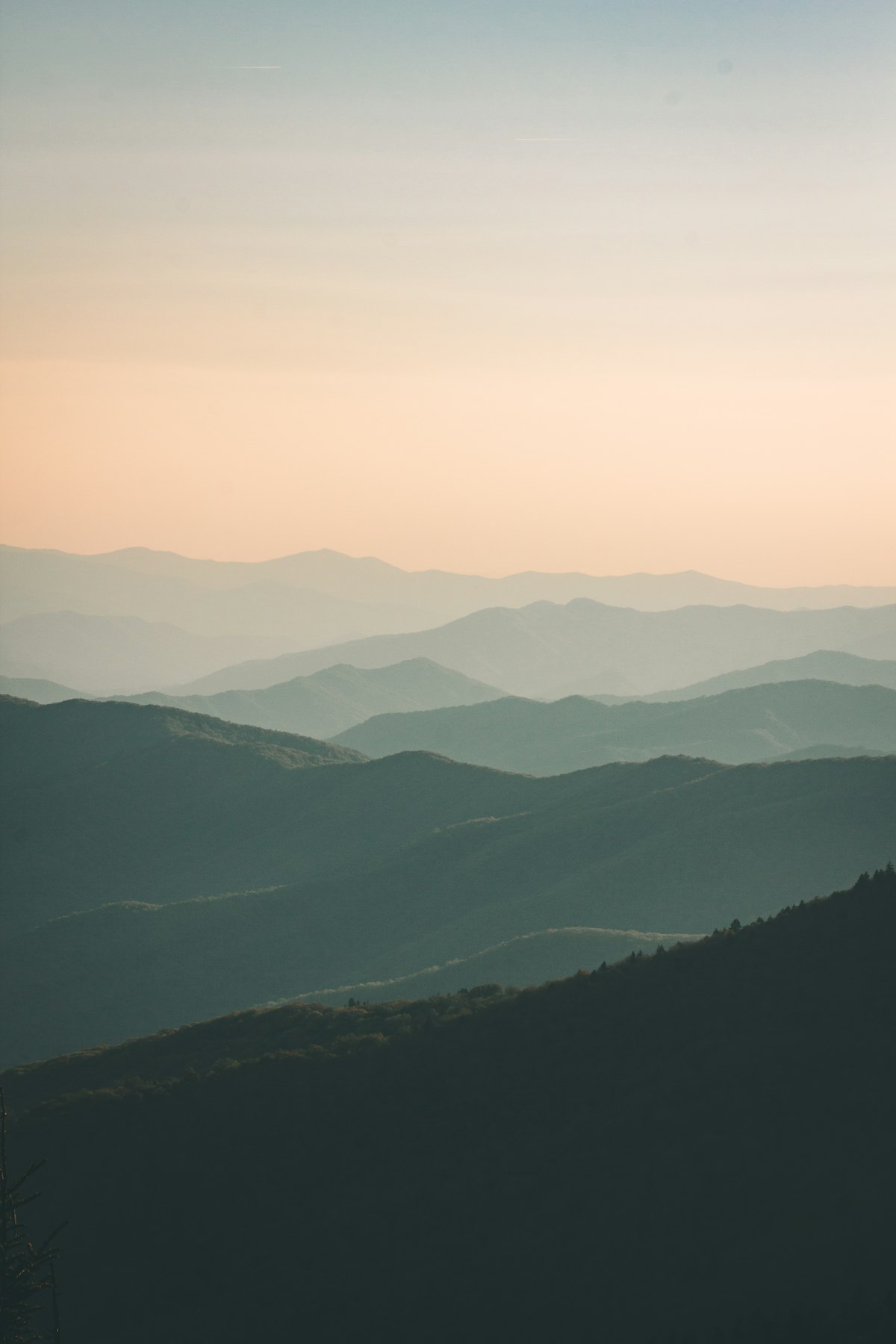
Mount Nyiragongo stands out for Virunga volcano views with its persistent summit lava lake, the largest by volume on Earth, contained in a 2km-wide crater at 3,470m. This active stratovolcano in Virunga National Park delivers front-row seats to raw geological power, where molten magma glows crimson through constant gas plumes. No other site matches its accessibility combined with such intense, ever-active visuals mere hours from Goma.
Core experiences center on the 4-6 hour guided trek from Kibati Ranger Post, ascending through dense forest, open valleys, lava fields, and a final 300m scramble to the rim. Overnight in basic summit huts unlocks night and dawn vistas of the bubbling lake, while daytime reveals rift valley panoramas. Day hikes return the same day, but summits demand preparation for the full spectacle.
Dry seasons from January-February and June-August offer stable weather, minimal rain, and firm trails, though summit cold persists year-round. Expect physical demands on loose scree and steep grades, with descent taking 3-4 hours. Prepare for armed ranger escorts due to park security, and monitor alerts for eruption risks.
Local Congolese rangers from North Kivu communities lead treks, sharing stories of Nyiragongo's 2021 eruption that reshaped Goma while sustaining cultural reverence for its spirits. Treks fund Virunga conservation, employing locals amid conflict zones and supporting gorilla habitats nearby. Engage porters for authentic insights into daily mountain life.
Mastering Nyiragongo Lava Lake Treks
Book treks 1-2 months ahead through Virunga National Park's official site, as permits cap daily groups at 50 for safety amid regional instability. Aim for January-February or June-August starts from Kibati post at 9:30 AM to reach summit by dusk. Confirm park updates, as hikes occasionally pause for volcanic activity.
Train with cardio and leg workouts for the 1,600m elevation gain over 6.5km of sharp lava terrain. Pack layers for sub-zero summit nights dropping to -5°C, plus rain gear for sudden showers. Hire porters to carry gear, freeing energy for the climb.