Researching destinations and crafting your page…
4.8Overall Rating
4 monthsPeak Season
$50/dayBudget From
5Curated Articles
Top Highlights for Trail Running in Los Andes
Trail Running in Los Andes
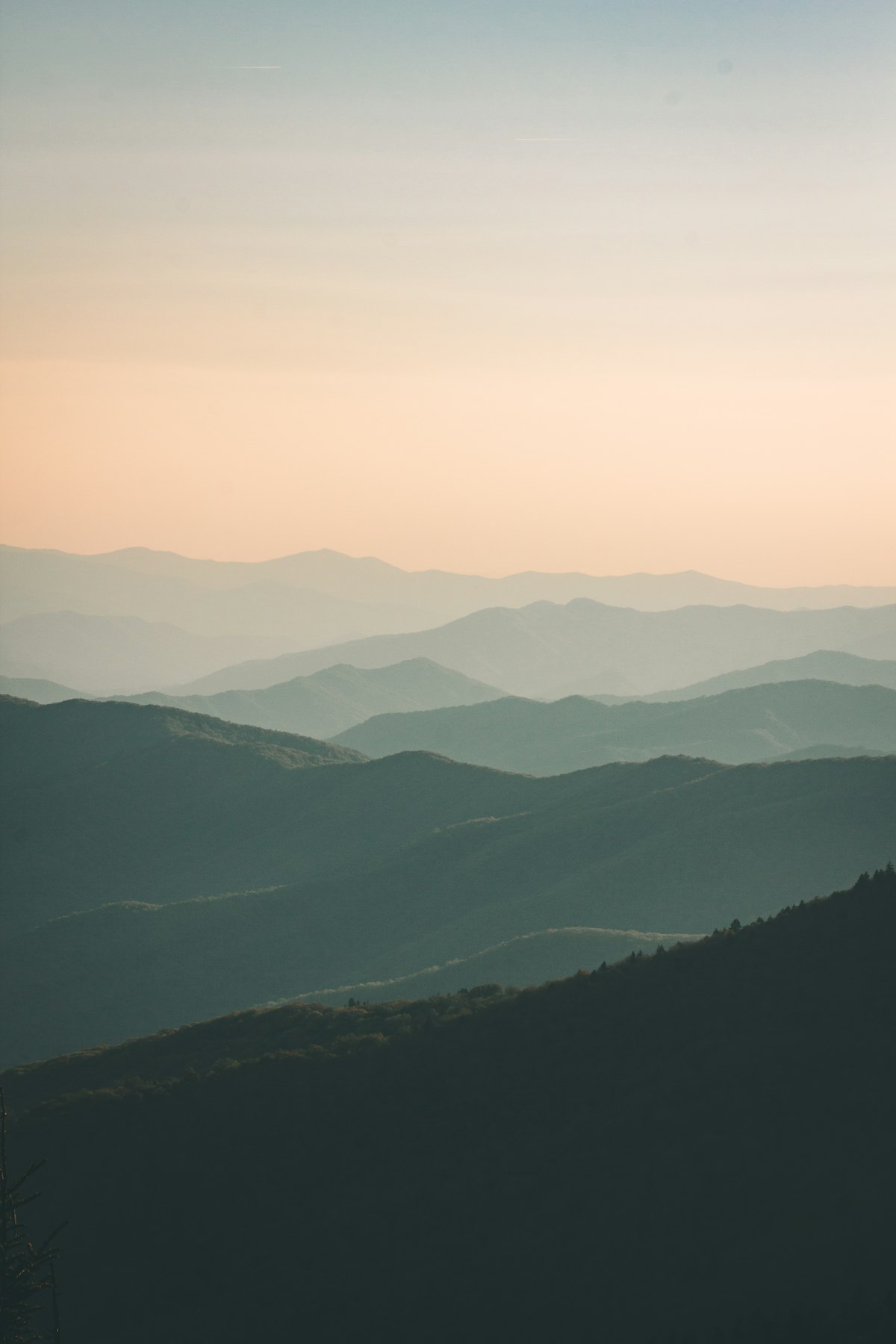
Los Andes in Santa Fe, New Mexico, stands out for trail running due to its high-desert position at the Sangre de Cristo Mountains' base, blending technical singletrack with vast skies and cultural depth. Trails like Dale Ball deliver lung-searing climbs amid ancient piñon forests, unmatched by flatter regions. This fusion of rugged terrain and artistic heritage creates a runner's paradise rooted in Native American and Spanish influences.[1][4]
Top spots include the interconnected Dale Ball, Atalaya, and Dorothy Stewart systems for 30+ miles of loops with 2,000-foot gains; La Tierra for speedy northwest flows; and the Rail Trail for accessible long efforts. Runners tackle everything from boulder-strewn ascents to meadow dashes, often spotting deer or coyotes. Nearby Taos adds multi-day options in alpine zones.[1]
Prime season spans spring and fall for dry trails and temps in the 50-70s°F; summers bring thunderstorms, winters snow. Expect dry air, high UV, and elevation challenges at 7,000-9,000 feet. Prepare with hydration, sun protection, and gradual acclimation.[1]
Santa Fe's trail community thrives through the Conservation Trust and events like ultra races, drawing locals who blend running with Pueblo traditions. Runners often pause at ancient sites, respecting "no-trace" ethos amid living Native lands like Taos Pueblo. Join group runs via Strava clubs for insider routes and post-run tamale shares.[1]
How to Do It Right
Mastering Santa Fe's High-Desert Trails
Plan runs around summer monsoons by targeting early mornings or fall for stable weather; book no permits needed but check Santa Fe Conservation Trust site for trail updates. Join local races like the Santa Fe Trails Festival in October for guided routes. Arrive via ABQ and rent a car to reach trailheads efficiently.[1][4]
Acclimate to 7,000-foot elevation over 2-3 days with short walks to avoid altitude sickness. Pack layers for sudden weather shifts and run with a group on remote sections due to rattlesnakes and wildlife. Refuel post-run with green chile at nearby spots like the Railyard.[1]