Researching destinations and crafting your page…
4.7Overall Rating
4 monthsPeak Season
$40/dayBudget From
5Curated Articles
Top Highlights for Endemic Flora Study in Colombian Andes Cloud Forests
Endemic Flora Study in Colombian Andes Cloud Forests
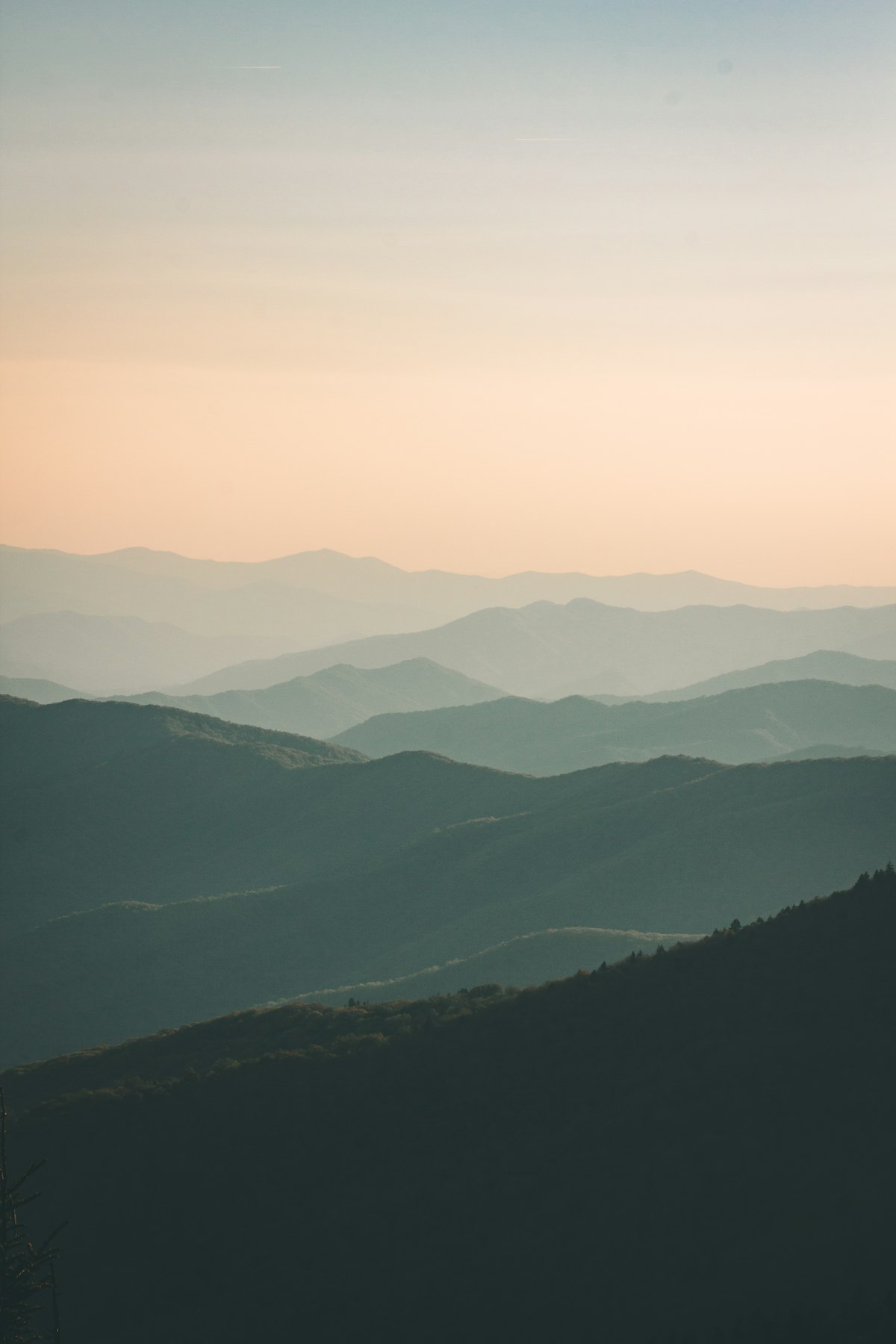
Colombian Andes cloud forests stand out for endemic-flora-study due to their unmatched biodiversity, harboring 3,000 plant species including critically endangered orchids and magnolias found nowhere else.[1][2] These misty ecosystems at 850-2500 meters foster unique adaptations like epiphytic growth and symbiotic networks of mosses, ferns, and lichens.[2][3] Isolation in the Northern and Western Andes plus Sierra Nevada de Santa Marta creates hotspots for new discoveries, with recent finds of orchids and trees.[2][6]
Prime pursuits include trekking El Alto de Ventanas for vibrant orchids, exploring Sierra Nevada de Santa Marta above 1700 meters for high-altitude endemics, and joining Antioquia reforestation hikes to observe restored habitats.[2][4][6] Activities range from guided botanizing and photography to citizen science with NGOs like SalvaMontes, revealing fern-carpeted trails and carbon-rich canopies.[1][2] Trails in Claro river watershed highlight over 300 threatened species unique to these slopes.[7]
April-May and October-November deliver persistent cloud cover and blooming peaks, with daily rains keeping humidity at 100% and temperatures 15-22°C.[1][2] Prepare for slippery paths, sudden fog, and elevations causing altitude effects; trails demand sturdy footwear and permits. Infrastructure varies, so rely on 4x4 transfers and eco-lodges for basecamps.
Indigenous groups like those in Sierra Nevada view cloud forests as sacred, sharing oral knowledge of medicinal plants during guided studies. Local communities partner on reforestation, offering homestays where farmers-turned-conservationists reveal endemic uses in traditional crafts. Collaborations with scientists amplify insider access to evolving discoveries.
How to Do It Right
Mastering Andean Flora Expeditions
Book guided botanist-led tours 3-6 months ahead through reserves like SalvaMontes or ProAves, as access requires permits and local expertise. Target April-May or October-November for heavy mists that enhance endemic orchid and epiphyte visibility while minimizing crowds. Coordinate with universities or NGOs for research permits if collecting samples.
Acclimate to altitudes over 2000 meters upon arrival to combat soroche, and join community-led hikes for insider plant lore. Pack for sudden rain and mud, prioritizing lightweight gear that withstands 100% humidity. Link with local indigenous guides in Sierra Nevada for authentic perspectives on sacred flora.